How do you communicate?
Do you need information in a different way?
Do you need support?
- Easy read
- Large Print
- BSL
- Braille
- Email or SMS Text
- Other Communication Support
- If you need a copy of our practice booklet in large print please ask at reception.
Assistance Animals and Dogs
At Forest House Surgey we try to aim to make sure that all patients can access their healthcare safely and comfortably. We understand that pets, including dogs, can be a source of comfort. However, to protect the health and safety of everyone at the practice, we have the following guidance about dogs and other animals on our premises.
Assistance Dogs
We welcome trained assistance dogs that support people with a disability, (for example, guide dogs or hearing dogs). If you attend with an assistance dog, please let us know when you book your appointment so we can help make your visit as smooth as possible.
Under the Equality Act 2010, an assistance dog is generally defined as:
- A dog trained to guide a blind person
- A dog trained to assist a deaf person
- A dog trained by a prescribed charity to assist a disabled person whose disability affects mobility, coordination, dexterity, or ability to carry out everyday tasks, such as epilepsy
- A dog of a prescribed category trained to assist a disabled person with another qualifying disability
Emotional Support Animals and Pets
Dogs and other animals kept for companionship, emotional support, or comfort are not normally permitted inside the practice. Emotional support animals are not legally recognised in the UK as assistance dogs and therefore do not have the same access rights as trained assistance dogs.
We recognise that some patients rely on animals for emotional wellbeing. If you believe there are exceptional circumstances that should be considered, please contact the Practice Manager before your appointment. Requests will be considered on an individual basis, taking into account patient needs, safety, infection prevention requirements, and the needs of other patients and staff.
Please note that emotional support animal certificates, registrations, or identification cards issued by private organisations do not confer legal access rights to healthcare premises in the UK.
Why We Have This Rule
We take safety and infection control very seriously. Allowing untrained animals into clinical areas could:
- pose a safety risk if an animal behaves unpredictably
- affect other patients or staff with allergies or phobias
- impact our strict infection control and cleanliness standards
These measures help us to keep our practice environment safe and welcoming for all patients and visitors.
What You Can Do
If you need support to attend your appointment, please speak to our team. We can discuss options such as:
- a friend, family member, or Carer accompanying you
- someone waiting with your dog outside the building
- telephone or video appointments where clinically suitable
We are happy to work with you to make reasonable arrangements.
Disabled Access
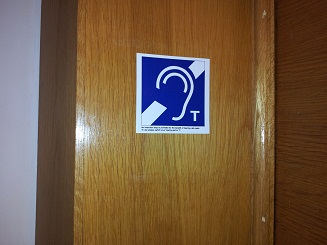
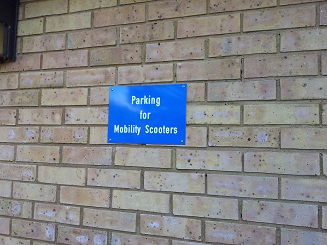
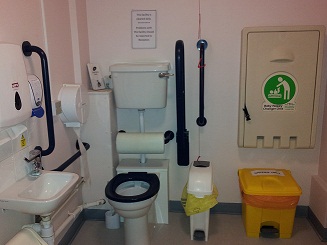
We offer reserved car parking spaces for the disabled and wheelchair access to our building. A disabled patients' WC is provided and there is a door chime at the front entrance to alert staff to patients requiring help with entering the building. We also have available wheelchairs to transfer patients from the car park in to the surgery, please ask at reception if you require this service. There is also a hearing loop on our reception for the hard of hearing. We now offer parking facilities for mobility scooters.
British Sign Language Service
If you will require a British sign language interpreter at your appointment please contact the surgery to arrange as we will need advance notice.
Translation Service
We can offer translation facilities for Patients who need this service.
Hearing Loop
Mobility Scooter Parking
Accessible Toilet and Baby Changing Facilities
Free NHS Wi-Fi
Free NHS Wi-Fi now available!
Look up health information, download health apps and browse the internet!
Select ‘NHS WiFI’ in your Wi-Fi settings and register a guest account to gain access.
Problems connecting?
Pick up a step by step guide and FAQs leaflet from your GP Practice reception.